ADVENT CALENDAR – Meat Free Monday

It’s the Monday before Christmas, the Green Tip Advent Calendar window opens to have a Meat Free Monday. With many people queuing for a turkey today, 10 million turkeys will be slaughtered this year just for Christmas dinners in the UK. With millions set be killed for the festive season, why not spread ‘peace and good will’ to all animals instead?

Not a very Merry Christmas for animals.

Most farmed animals are raised in intensive factory farms, in cramped, overcrowded cages, sheds and pens. With no room to stretch limbs or wings and no access to daylight or fresh air, intensively reared animals are often diseased, injured and dying due to the unnatural conditions they are kept in.

Farmed animals are subjected to mutilations such as having their beaks clipped, their teeth pulled out and their tails docked to stop them from pecking and wounding each other through boredom and frustration. All farmed animals end their lives with a brutal death at the slaughterhouse.

Meat is bad news for the environment

Modern livestock production is wasteful in many ways and, in a world where the resources that we all need to live are becoming scarce, this is simply unsustainable:

30 – It can take 30 bathtubs of water to produce just one beefburger

The Worldwatch Institute estimates that a staggering 70% of the world’s freshwater supplies goes towards agriculture – a third of this to grow animal feed crops. A chicken breast for example takes over 735 litres of water to produce, that could fill up your bathtub 4.6 times.

100 – An area of rainforest the size of a hundred football pitches is cut down every hour to create room for grazing cattle

Forests, the ‘lungs of the world’, are essential in the fight against climate change. But right now they are being destroyed at an alarming rate in order to clear land to raise cattle and grow crops such as soy for animal feed.

1/3 – Almost a third of all land on Earth is used for livestock production

Animals convert plant protein and energy into meat protein and energy inefficiently; in fact it can take up to 12 kg of grain to produce 1 kg of beef. This means that anyone who consumes large amounts of meat may be consuming a disproportionate amount of the world’s available nutrients.

Currently some 800 million people on the planet suffer from hunger or malnutrition, yet an amount of cereal which could feed three times this number of people is fed to cattle, pigs and chickens.

The sheer number of animals being farmed for consumption is having a profound effect on climate. Emissions from livestock of greenhouse gases such as carbon dioxide, methane and nitrous oxide pour into the atmosphere trapping in heat. The Food and Agriculture Organization of the United Nations estimates that livestock production is responsible for 14.5% of global greenhouse gas emissions, while other organisations have estimated it could be as much as 51%

Agricultural intensification and expansion, and overfishing, are also major factors in loss of species and biodiversity – if present trends continue, over the next 100 years or so there will be a global mass extinction of species.

Eating less meat has health benefits

According to the World Health Organization, we eat considerably more protein than is necessary or optimal for health – mostly from animal products. A meat-and-dairy-heavy diet is now being linked to some of the world’s biggest killer diseases: cancer, heart disease and stroke.

On the other hand, eating a balanced meat free diet based on whole grains, pulses (beans and lentils), vegetables and fruits, nuts and seeds you should easily exceed the guidelines for eating 5-A-Day. Even better – your meals will tend to be naturally higher in fibre and lower in saturated fat.

Meat Free Monday

Launched by Paul, Mary and Stella McCartney in 2009, Meat Free Monday is a not-for-profit campaign which aims to raise awareness of the detrimental environmental impact of animal agriculture and industrial fishing. The campaign encourages people to help slow climate change, conserve precious natural resources and improve their health by having at least one plant-based day each week.

Go Vegan this January

Veganuary is an annual challenge that encourages people to try a vegan diet for the month of January. The goal of Veganuary is to: Inspire and support people to try veganism, End animal farming, Protect the planet, and Improve human health. 

Some ways to participate in Veganuary include: 

  • Choosing organic, non-GMO, local, fair trade, and sustainable foods
  • Wearing clothing, shoes, and textiles made of nonanimal materials
  • Using shampoo, cosmetics, and soaps that don’t contain animal substances
  • Avoiding jewelry that contains animal parts
  • Not participating in hunting or sports where animals are used

Northants Veggies and Vegans

Northants Veggies and Vegans are non-political group that promotes Vegetarian and Vegan life in Northamptonshire. They have an active Facebook Group that has lots of advice, recipies, and companies posting with meat free alternatives. Members also meet for picnics, Vegan Lunches at ECO HUB and trips to restaurants.

Our Happy Cafés at ECO HUB are vegan. Using saved ingredients from supermarkets with our Food Sharers, we cook something delicious, nutritious and completely meat free every Tuesday and Thursday for you. Join us 10am-2pm, during January, we will also be running some special events for Veganuary too!

To sum up, having at least one plant-based day a week is a fun and easy way to do something good for the planet and our future. Go Meat Free this Monday, try it, you might like it, the planet and animals will definitely appreciate it! Merry Christmas everyone!

ADVENT CALENDAR – Get Renewable Energy

For today’s Green Tips Advent Calendar we open a window on renewable power. We’re now facing unprecedented heatwaves, polluted air, and unbelievable health issues caused by fossil fuels. In Addition to this issue, fossil fuels are about to run out if we continue to burn them uncontrollably.

Renewable energy sources are our best chance to stop the current trend and make the world a better place to live. Therefore, governments are considering using renewable energy sources to generate electric power.

The good news is that the world has already reached a tipping point in price and performance for wind and solar power. In many places wind and solar are cheaper than the fossil fuel alternatives. There are many reasons to choose renewable energy, including:

  • Environmental benefits

Renewable energy is a clean source of energy that produces fewer greenhouse gases than fossil fuels. It can help reduce global warming and improve public health by reducing air and soil pollution. 

  • Economic benefits

Renewable energy can create jobs and boost the economy. The International Energy Agency (IEA) estimates that the transition to net-zero emissions could create 9 million new jobs in clean energy by 2030. 

  • Sustainable

Renewable energy sources are sustainable because they either replenish faster than they are consumed or are limitless in supply. 

  • Reliable

Renewable energy sources are not subject to the same disputes and wars that fossil fuels are. 

  • Affordable

Renewable energy can be cheaper than fossil fuels. For example, solar panels can save homeowners up to 70% on their electricity bill. 

  • Stable prices

Renewable energy prices are more stable than fossil fuel prices. 

  • Low maintenance

Renewable energy technologies require less maintenance than fossil fuel power stations. 

Change to Renewables

If the growth of wind, solar and energy storage continues at the best of the rates seen early on, the world’s energy emissions are on track to halve by 2030. To ensure this happens, we as ‘energy consumers’ can play an important part by using our purchasing power for good. The most significant action we can take is to start producing our own clean electricity, e.g. by adding solar panels onto the roofs of our houses.

However, if your housing situation doesn’t allow for that, the second-best solution is to compare the options from different utility providers in your community and select an electricity contract with 100% renewable energy certificates (RECs). This ensures that the electricity you use is powered by renewables and that it financially supports the shift away from power generation using fossil fuels, such as coal or natural gas.

Here are 7 types of alternative energy sources available out there:

Solar Energy

Solar energy is the only type of renewable energy you can easily harness at home. You need to buy either solar water heaters or solar panels to use solar energy and reduce your energy bills. There are different types of PV panels and you can choose the best one for your home according to the price, efficiency, and other criteria.

Wind Energy

To utilise wind, we need to build large turbines. Wind farms can help rural and remote areas to have green electricity. For example, offshore and onshore wind in the UK is generating around 30% of the UK’s electricity.

Hydroelectric

Hydroelectric power is similar to wind energy technology except for the working liquid, water instead of air. Building large dams and using turbines might be expensive, but it will produce a great amount of electricity.

Geothermal Energy

Geothermal energy is another clean and renewable energy that can be regarded as a sustainable power source. It is the heat within the planet Earth that can be harnessed in some areas.

Biomass

Biomass energy is the heat we can derive from organic waste by burning it. It’s regarded as a renewable energy source because we always regenerate organic materials, mostly plants.

Tidal Energy

Tidal or ocean energy is the hydropower energy we can get from tides. This energy is sometimes sorted under the category of hydropower, not in a separate one.

Hydrogen

Hydrogen is the most abundant element available on our planet, two-thirds of which is water. This element can be used as a zero-carbon fuel if we separate it.

In 2023, individual renewables contributed the following1:

  • Wind power contributed 29.4% of the UK’s total electricity generation.
  • Biomass energy, the burning of renewable organic materials, contributed 5% to the renewable mix.
  • Solar power contributed 4.9% to the renewable mix
  • Hydropower, including tidal, contributed 1.8% to the renewable mix

The UK has some of the best renewable energy sources in the world. Our islands, battered by wind and waves, are perfect for tapping into these power sources. Even solar energy has a role to play; solar panels are more efficient in direct sunlight but can generate power even on a cloudy day.

In 2023, wind turbines in the United Kingdom generated 82.3 terawatt hours (TWh) of electricity and heat. This was enough to power over 20 million homes. Here are some other details about wind power in the UK:

  • Wind capacity: The UK’s total installed wind capacity is around 30 gigawatts (GW), with about 15 GW each from onshore and offshore generation. 
  • Renewable energy: In the first quarter of 2023, 42% of the UK’s electricity came from renewable energy. 
  • Growth: Wind energy generation has grown substantially since 2009. 
  • Government targets: The UK is aiming to reach a 50 GW wind capacity target by 2030. 
  • Grid connection delays: Some new solar and wind sites are waiting up to 10 to 15 years to be connected to the grid.

Not only are fossil fuels and global warming damaging our wildlife and environment, they are also having a seriously detrimental effect on our health. Renewable energy sources such as wind power, solar panels and hydroelectric energy, on the other hand, are much more natural, and therefore ensure cleaner air. Choose a cleaner, greener and more sustainable energy source; have a great Christmas everyone!

ADVENT CALENDAR – Pick Up Litter

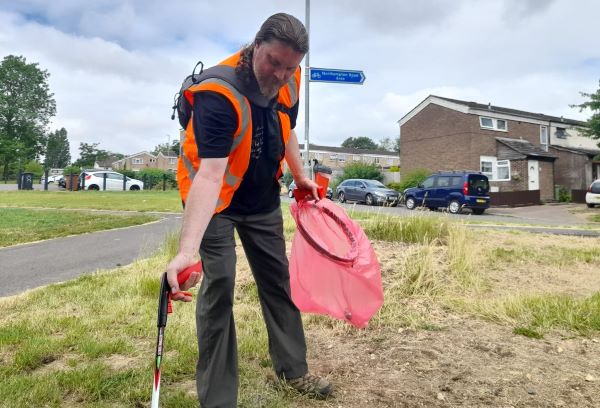
For today’s Green Tips Advent Calendar, we are picking up litter! Just like we do on the last Saturday of every month for our Two Hour Tidy Up, and this month is no exception; why not join us for a very special Christmas Clear up with Wellie Wombles next Saturday in Croyland Park? Meet at our Recycling Station on Kingsway Car Park which sets up from 9:30 for litter picking between 10am and midday.

Joining in with a litter pick guarantees conversation, meeting new people, or perhaps reconnecting with some familiar ones. Our Two Hour Tidy Ups can be a great opportunity to share your thoughts and feelings, talk about the weather, or have a laugh about the unusual pieces of litter you find. Litter picking is accessible to anyone who can walk short distances, use a litter picker, and carry a bag.

Why Pick Up Other People’s Litter?

There are many reasons to pick up litter, including: 

  • Positive impact: Litter picking can make a positive impact on the world and your local community. 
  • Sense of pride: Litter picking can help you feel a sense of pride and responsibility for your local area. 
  • Mental health: Litter picking can be therapeutic and improve your mental health. 
  • Physical health: Litter picking can improve your physical health by getting you outside and moving around. 
  • Connection with nature: Litter picking can increase your connection with nature. 
  • Sense of community: Litter picking can bring communities together. 
  • Wildlife: Litter harms wildlife and picking it up can help. 
  • Wasted resources: Litter is a wasted resource. 
  • Fun: Litter picking can be fun, especially when you receive appreciation from passers-by. 
  • Sense of achievement: Litter picking can give you a sense of achievement, especially when you see the before and after. 

When you consider once discarded, litter remains in our environment for decades, making its way from land into our waterways and oceans – plastic bottles can last around 450 years – the more of it we can tidy up, the better! And that’s what Wellingborough Eco Group and Wellie Wombles have done. We have litter picked over 11,000 bags full of litter over the past five years! We have also reported 250 fly tips!

Be a Wellie Womble

Wellie Wombles are a litter picking group from Wellingborough Eco Group, started on Facebook by Freddie Harris in February 2021, also as the Wellingborough and East Northamptonshire group of Northants Litter Wombles, both of whom have been set up to encourage people to litter pick.

Wellie Wombles are individual litter pickers who, like the TV Characters, go Wombling free tidying up after the everyday people. We do suggest that you start near where you live but you can litter pick whenever you want to, and pretty much wherever you want to. As a group we simply offer you help, supplies and guidance, plus give you the chance to share photos with each other of what you have picked.

To help you, we can loan litter pickers, hi-vis and hoops, and to give away bags at ECO HUB and from Wellingborough Library. You can also purchase a variety of pickers and hoops from us, and we are available to help and give guidance when needed

Litter Picking Guidelines:

– When litter picking, only do so on public land such as parks, footpaths or local streets.

– Never put yourself or others at risk, always avoid rivers, steep banks and busy roads.

– Wear suitable clothing including hi-vis vests, covered footwear and protective gloves whilst out on a litter pick.

– Never pick up sharp objects, including needles and glass. Do not touch hazardous items, including asbestos and bottles of chemicals or urine, report if found.

– Don’t attempt to move large items or clear up fly tipping, report if found.

– Always use the red/orange in North Northants.

– We also supply clear bags for clean recyclables, but please note these need to be emptied into your recycling wheelie bin at home.

– Bags need to be left by a public highway, either on a path or verge for collection. Please do not leave bags by a public bin or on private land, as this could be reported as fly-tipping.

Reporting bags and other items:

– To get bags collected, if you live in North Northants simply report on our website at https://wellingboroughecogroup.org.uk/eco/litter-picking/bag-report/

– Alternatively call you can call North Northamptonshire Council with their location on 0300 1263000

– Typical timescales for collecting bags is 3/4 days.

– If you can, download the ”What3Words” app to report exact locations of bags and other items.

– To report the location large items, fly-tipping, hazardous or sharp objects, call North Northamptonshire Council on 0300 1263000

– Alternatively you can use apps. To report fly-tipping use ‘Fixmystreet’ and to report an abandoned trolley use ‘Trolley Wise’

– For areas not within North Northants, please obtain bags and report to your local council service.

Last year Wellie Wombles launched CLEAN (Litter Educate Advise Northants ) have spoken to 1657 young people this year. CLEAN presentatations are available to all schools and childrens groups free of charge and include the opportunity to go out litter picking afterwards with one of our Wombles! You can find out more about CLEAN on our website or by calling Freddie.

Join us for our monthly Two Hour Tidy Up!

Croyland Park has been chosen by Victor, who is a local councillor, he has reported that the park is heavily littered and will be join us next Saturday. We have tidied up this area before, but unfortunately due to some messy people there’s a lot to do. It could be cold, so free refreshments including tea and coffee will be available.

To help us and keep us safe at this and future litter picks, Wellingborough Eco Group have purchased some litter pickers, hi-vis vests and safety equipment including road signs, so everything is provided but please bring your own gloves and do dress up in festive outfits if you can. Join in, bring your friends and family, see you one Saturday 28th December from 10-12, ALL WELCOME! Merry Christmas everyone!

ADVENT CALENDAR – Ditch Your Car

Today’s Green Tips Advent Calendar window opens to challenge people, businesses and organisations to ditch their car and choose other ways to travel, such as catching a bus, getting on your bicycle and walking. Called Alternative Transport, it is a way of getting around that is often more sustainable and environmentally friendly, and it has other benefits too.

The need to take action on climate change is more pressing than ever. Transport is one of the main causes of the problem: making up a quarter of the UK’s greenhouse gas emissions. There are easy ways to reduce emissions and have a positive impact on our health and on the wider environment.

Although the UK’s carbon emissions have dropped slightly since 1990, gains in some areas have been undermined by transport growth. Emissions from cars, lorries and aeroplanes continue to rise, and the problem is not limited to climate change. Traffic pollution leads to tens of thousands of early deaths and thousands more are killed in road accidents.

In the UK there were 330.8 billion vehicle miles in 2023, of which 33.5 million private cars drove 251.3 billion miles. In comparison, bicycles rode just 3.6 billion vehicle miles, just 1.4% compared to cars.

About 40% of the UK’s transport emissions come from private cars. An astonishing 6 out of every 10 cars on our roads contain just one person; for commuting or business journeys, about 85% carry only the driver. To reduce your impact, use your car less!

What is Alternative Transport?

Alternative Transport is the use of modes of transportation other than the single passenger motor vehicle including:

  • Walking and biking, also referred to as Active Travel, are considered the most important alternative transportation options for health, space and capacity reasons. Other active travel options include scooters, rollerblading and skateboarding.
  • Public transportation is an alternative that includes buses, trains and tramways.
  • Carpooling is another alternative to driving alone.

Why Take Part In Alternative Transport?

Here are some reasons to choose to leave the car at home:

  • Fitness

Cycling or walking to work is better for your fitness and doing it when you’d ordinarily be in a car, saves times and money.

  • Wellness

Walking and cycling is better for your health and fitness and travelling by bus is more social and care free. Getting out of our cars means more fresh air and connection with our environment.

  • Environment

Most greenhouse gas emissions come from road transport. Reducing the number of cars on our roads will have a dramatic effect on our ability to reduce our overall emissions.

  • Convenience

Using a car necessitates parking and additional costs. Using a bike or walking means you can get closer to your ultimate destination. Travelling by bus and walking means you don’t need to worry about parking.

  • Social

Walking, cycling and bussing inherently involves more people engagement, meaning that as a community we come together better rather than being isolated in our own cars.

  • Infrastructure

Without cars and car parking dominating our infrastructure we can claim back that space for gardens and open spaces for everyone to enjoy. Emergency and delivery vehicles can operate with less hindrance and cost.

  • Cost

Maintaining cars and parking is very costly. Whilst walking and buses don’t require any maintenance or parking, even a bike comes with free parking and much lower initial outlay and maintenance costs.

  • Safety

If travelling to a destination is dominated by cars, it puts the safety of all other route users in danger, even if using a pavement. Rebalancing the focus on travel routes to pedestrians (including children), cyclists, horses and other vulnerable users makes all routes safer for everyone.

And whilst studies have found that a lack of infrastructure is deterring people from cycling with congested roads having huge safety issues for vulnerable cyclists, in Wellingborough (and in the other towns in Northamptonshire) we have lots of good cycle paths and most of them are away from busy roads. You can find all of the cycleways, and cycle parking sites in Wellingborough on Wellingborough Eco Map (see below or wellingboroughecogroup.org.uk/map)

Change together

There are many ways to choose alternative transport methods together, including Walking Buses at schools, walking and cycling clubs, and schemes at work that incentivise getting to work by bicycle or car sharing for example. There are also campaigns for alternative transport, including Critical Mass and Brightwayz.

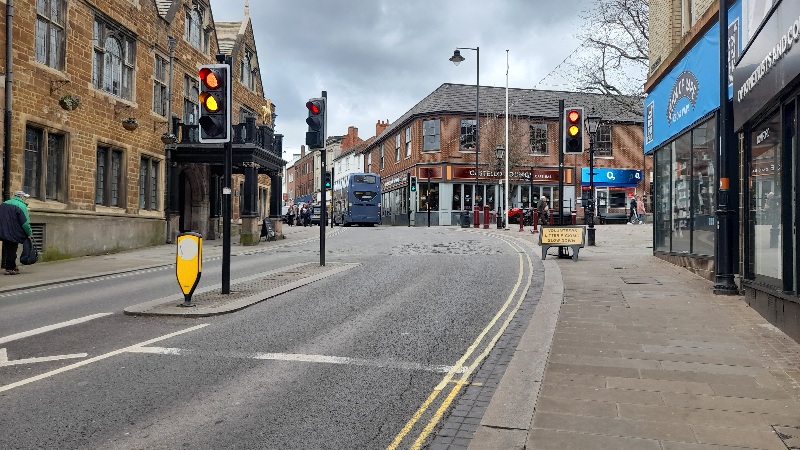
Critical Mass are cycling events that happen in towns and cities all over the world on the last Friday of every month, including in Wellingborough. They are gatherings where everyone rides together as one big group. They are an opportunity to celebrate cycling but also to protest for change. Join Wellingborough Critical Mass rides on the last Friday of the month (except December) meeting 6:30pm and leaving 7:00pm from outside Castello Lounge.

Brightwayz is a social enterprise with ‘active travel’ expertise, they are a campaign company that offers products and information to engage, motivate and keep inspiring others to travel actively. In Wellingborough and Rushden they have recently teamed up the North Northamptonshire Council and others to engage with people to work on an active travel plan, including at ECO HUB, where they brought maps and serviced bicycles.

So, if you yearn to live in a less car-dependent society with cleaner air and safer, pleasanter street space; and you care about reducing the UK’s biggest source of CO2 emissions – transport, ditch your car for an alternative mode of transport. However you choose to get around during the festive period and beyond, have a great Christmas!

ADVENT CALENDAR – Ferment and Preserve

The Advent Calendar window Green Tip is from Judy today, and she would like to tell you about fermenting and preserving food. With Christmas being the season of excess, and hopefully a bit of time off, this could be a fun and productive way to save food. Why not get the family involved?

We hear a lot about how wasteful our society is these days and about the vast quantities of food that go to waste. Although some of this waste can only be prevented by farmers and supermarkets changing their systems, a great deal of it is food that has been left at the back of household fridges and forgotten about until it has gone off and has to be thrown away. So in order to avoid wasting fresh food, maybe surplus food that we’ve grown ourselves, or perhaps just food that we’ve bought and know we won’t get round to eating before it goes off, there are many different ways to use it to make delicious ferments and preserves to spice up future meals and eat as healthy snacks.

Of all the ways to preserve food, such as: pickling, jam making, chutney making, freezing, which are all great, fermentation, when used as a method of preserving, is in a class of its own. Not only does it require no cooking, thus saving the associated cost and carbon emissions, but its nutritional value is also enhanced by the micro-organisms responsible for fermentation. Out of produce, which could have otherwise gone to waste, you can create a real feast for the senses.

If you can put the time and effort into preparing home preserved fruit and vegetables, the flavours are just amazing. You will have food that tastes far superior to anything commercially produced, and which includes none of the added chemicals used to prolong the shelf life of shop bought foods. You can make a whole range of sweet, sour, salty, pungent, aromatic, and spicy flavours. But the list of foods that can be fermented doesn’t end with colourful jars of fruit and veg. There are crusty sourdough breads, creamy yogurts and cheeses (both dairy and vegan) and fizzy or still soft drinks and even alcoholic beverages. The possibilities of fermenting are endless and the results can be delicious and nutritious.

Fermented food contains beneficial bacteria and is good for your gut micro-biome, but don’t overdo it. You need to get used to new, fermented foods gradually, so you don’t overwhelm your digestive system. Small amounts to start with are best. The BBC Good Food website has lots of recipes for pickles, jams and chutneys as well as
ferments. Here’s a link to a simple sauerkraut recipe https://www.bbcgoodfood.com/
recipes/simple-sauerkraut

If there is enough interest, we hope to run some sessions next year on fermenting and preserving in conjunction with growing food at the Community Allotment. It would of course involve lots of tasting of the end products. If you would be interested in coming along to learn about either growing or fermenting and preserving or both, then please get in touch and let us know, so we can keep you informed of any courses planned. Contact us via email, social media, on 07311 705705 or at ECO HUB. Have a great Christmas everyone!

ADVENT CALENDAR – Stop Using Plastic

Today’s Green Tips Advent Calendar windows opens to stop using plastic. You’re probably well aware of all the headlines about the catastrophic effects of plastic pollution, but as well as being a major contributor to pollution and climate change, it also kills marine life and potentially us too!

So, no more plastic straws?

Single-use plastic isn’t just damaging, especially for our oceans, it’s also unnecessary; the first thing to do is to ditch the plastic straws and get yourself a metal one. If you really want to go the extra mile, you can ask your local pubs and restaurants to only serve plastic straws upon request. You can also replace plastic cutlery with reusable options. 

Buy a reusable bottle or cup

There’s no need to buy plastic bottles of water from supermarkets. Why not buy a reusable bottle instead? You can even download Refill – an app which shows you where your nearest refill station is! While you’re at it, buy a reusable coffee cup. Some coffee outlets will actually charge you a little less if you bring a reusable coffee cup, so everybody wins.

Packed lunches, not meal deals

You’ve probably been psyching yourself up to start doing this for a while now, so let this be the last little boost you needed. Perfectly recyclable pasta pots and sandwich boxes often end up in the bin if we’re racing through the centre of town, so do the planet (and your wallet) a favour and start making packed lunches. This means that you can bring your own metal cutlery, too.

Buy loose veg

When you are choosing between buying loose or packed veg, always go for loose. Not only are you forgoing unnecessary plastic, you’re also buying just what you need. Less plastic, less waste. Simple.

Buy in Bulk

Buying office supplies in bulk or even food in bigger packets can also reduce plastic waste and save money. 

Don’t be caught without a shopping bag

Many of us will be making far too many trips to the supermarket over the festive season, so make sure you always keep a sturdy shopping bag folded up in your car or rucksack. This way, when you inevitably pop in on the way home, you’re prepared.

Beware Teabags

Some teabags contain hidden plastics such as glues used to seal the bags, in the fabric of the bag itself, or in the packaging. For this reason, not all teabags can go into garden compost as they won’t break down (or may break down into microplastics). And some alternative bags, such as those made from polylactic acid (PLA), can’t go in your council food waste collection. Always check what you can put in your food bin where you live, using your council website. To avoid these plastics, try loose leaf tea which can be used with a strainer, or reusable teabags. Alternatively, look for brands that are taking action to remove plastic from their tea – try bags that are unbleached and organic, in cardboard packaging.

Find refill stations for detergents and food

Big brands are starting to take this refill concept seriously; you should, too. When your anti-bacterial spray or washing up liquid runs out, look for refill pouches or stations – don’t just grab a new bottle!

Kerry from Food for Thought 2022

Go one step further and shop at a refill store, we have an excellent one in Wellingborough, called Food for Thought in Nene Court where Kerry and her team will help you with all sorts of foods, including treats and yes, even detergents!

Support companies that are committed to sustainable packaging

One of the most important things that you can do to help reduce plastic pollution: support companies that package their goods responsibly, and avoid those that don’t, i.e. avoid products with excess or unnecessary plastic packaging. These days, companies succeed by aligning themselves ethically with their target market. This a consumer-driven trend with a positive impact on the environment, so we should keep it alive.

Ditch the cling wrap

Unlike cling film that cannot be recycled, consider alternatives such as aluminium foil which can be recycled. If you are using foil, make sure you clean it and put it in the recycling bin after use. Another alternative is Beeswax Wraps. Made using 100% cotton, pine resin, jojoba oil and various waxes they are a reusable and sustainable alternative to cling film, and no nasties will leach into your food while it’s stored. Other alternatives include reusable lunchboxes, or elasticated fabric bowl covers which are useful for storing bowls of food in the fridge.

Give up gum

In England, around 87% of streets are stained with gum (Keep Britain Tidy) so always make sure you dispose of chewing gum in an appropriate bin, never on the floor. Did you know conventional chewing gum is made from plastic? This makes it take longer to decompose and it will break down into microplastics. Several plastic-free alternatives are now on the shelves, so look for brands that detail the ingredients of their gum and are committed to ending plastic pollution.

Glitter, the one member of the party that NEVER leaves!

All glitter is made from plastic. Due to its size and composition, glitter can last for many years in natural environments, breaking down into smaller microplastics and being ingested by wildlife. Even biodegradable glitter is a myth. There is no legal limit on how long it takes to decompose in the natural environment before it is called ‘biodegradable’, so many of the biodegradable glitters could last as long as plastic. It also has the same impact on wildlife and the natural environment – small particles are easily ingested by wildlife and could have harmful effects. Instead, steer clear of all glitter and opt for alternative decorations instead. Similarly Avoid products with microbeads. Microbeads are tiny plastic particles that contribute to ocean plastic pollution too. 

Plastic pollution is the most visible example of the havoc we’re causing to our planet. From our local beaches to the remote Arctic, it is choking our oceans and killing wildlife. We need everyone to stop using plastic, but if it’s too daunting to know where to start, try making one small change at a time and committing to it. For example, could you switch to a glass ketchup bottle instead of a squeaky plastic one? When you’re finished, wash it out and reuse it, refill it, or recycle it appropriately.

And if removing plastic from your life completely is unfeasible, make your plastic containers go further. For example, when a plastic bottle finishes, try your local refill shop and fill those containers with new products including wet and dry goods. We can also reuse containers like old butter and ice cream tubs as sandwich boxes, useful tubs for screws or nails, or planters for seedlings. How ever you stop using plastic, have a Merry Christmas everyone!

ADVENT CALENDAR – Swap Don’t Shop

The Green Tips Advent Calendar window today opens for you to Swap, don’t Shop, it’s like trading with a difference. You can swap things or even time in exchange for other things. Swap clothes, books, toys and almost anything with friends, family, your local community or with us.

Our ‘Swap Shop’ recognises that things no longer wanted by someone, might be another person’s treasure. By reusing things we cut down on the amount of waste that goes into landfill and reduce the amount of resources that we use in manufacturing of new products. And it saves money!

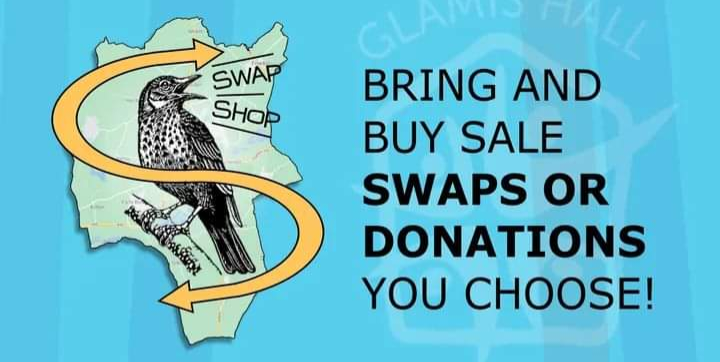
Wellingborough Swap Shop is a local exchange where you can get something you want by swapping things you no longer need or by making a small donation to the group. You could describe it as a kind of bring-and-buy sale with the option to swap.

What you offer is entirely up to you, as long as it’s legal, not hazardous or not a pet. Examples include: clothes, school uniform, books, DVDs and CDs, kitchenware, pictures, tools, gardening items, curtains and other soft furnishings, children’s toys and baby items.

Join in at ECO HUB, Glamis Hall, this and every Tuesday 12-6pm and every Thursday 10am-2pm, for lots of good quality clothes, toys, books, DVDs and household items, all available for swaps or a small donation.

Host a Clothes Swap

Rather than buying new clothes in the sales, or at the beginning of each season, why not host a clothes swap with friends and family? People often discard clothes they no longer like, have forgotten to return, that no longer fit, or that they don’t have space for. One person’s trash could be another person’s treasure!

To host a clothes swap, you’ll need to: 

  • Pick a location (this could be your house, or even your garden in sunny weather).
  • Set up a rail or space to hang or lay out the clothing.
  • Ask people to bring a few items they no longer wear, but remind people to make sure they’re not stained or broken.
  • You could even combine it with another occasion like a movie night, a garden party, or a night out.

If you have clothes left over, consider selling them on second-hand websites or donating them to charity or our Swap Shop. If you’re looking for a bigger challenge, you could scale up your event to your local neighbourhood or community.

Clothes swaps are a fun and sustainable way to refresh your wardrobe without contributing to the impacts of fast fashion. Producing clothing requires land, energy and raw materials, all of which have a big impact on the environment and on people around the world. The UK is one of the most wasteful countries in Europe, throwing away over 200,000 tonnes of textiles every year. Additionally, a clothes swap is a great opportunity to socialise and have fun with friends – and declutter your wardrobe by getting rid of clothing you no longer wear.

Whether you swap with family and friends, organise your own swapping event or join us at ECO HUB for Wellingborough Swap Shop, by swapping clothing or other items with others you can save money, avoid waste and reduce demand for raw materials. Christmas is a great opportunity to swap too, why not get something you want for something you no longer need? Have a Merry Christmas!

Source ‘Host a Clothes Swap‘ WWF

ADVENT CALENDAR – Plant a Tree

Today’s Advent Calendar window opens to ask you to plant a tree. As Green Tips go, this seams an obvious one, but as someone somewhere once said, the best time to plant a tree was years ago, the second best time is now! You can join us to plant trees, save saplings or take some for your group from our Community Allotment Tree Nursery.

Did you know that Wellingborough Eco Group with our volunteer Nature Rangers and North Northamptonshire Council, planted over a thousand trees in Wellingborough last year? Well, we are going to be planting another thousand trees next year too, do join us!

After successful planting sessions last December (as featured on last year’s Advent Calendar, see video below and header image) and again in March, we are returning to Kilborn park and two other locations to plant lots more trees! We will have tea and coffee available, plus hand washing facilities. Meet at our Tree Planting Stations from 10am.

We will be planting whips again with North Northamptonshire Council and everything will be fully funded by the UK Shared Prosperity Fund. We plan to plant a mixture of native woodland species. We have selected the following three sites for possible planting: (Please also see maps below with planting areas highlighted in red):

  • Kilborn Park : It would be great to continue with the planting we did last year in this park. There’s still plenty of space and we plan to plant another 500 whips here.
  • Gainsborough Drive: Planting along the right-side edge of the greenspace alongside the existing trees. This would include around 300 trees.
  • Brickhill Road: Planting along the line of existing trees to create a graded woodland edge habitat. This would include approximately 200 trees.

We are looking to plant the trees in the New Year on the third Saturday of each month, please join us at our planting trees events on the following dates:

  • Kilborn Park (500 trees) – Saturday 18th January
  • Gainsborough Drive (300 trees) – Saturday 15th February
  • Brickhill Road (200 trees) – Saturday 15th March

Come and plant a tree – The trees will be a mixture of hawthorn, dogwood, wild cherry, silver birch, rowan and hazel, bring your spades and join in from 10am! All welcome, we would like everyone like to come and plant trees!

Sapling Savers

We also want your saplings, the trees that have self set in random places where they either aren’t wanted or stand no chance of growing. Could you be a Nature Ranger Sapling Saver?

The plan is to save redundant or unwanted saplings to transplant them to places where they are wanted and can become mature trees. This is part of the More Trees Now campaign, which started in the Netherlands and has now come to the UK and Ireland. The aim is to accelerate tree planting initiatives throughout the UK to stop climate change and support biodiversity restoration.

Simply dig up saplings that are in the wrong place and drop them off to us at ECO HUB or to our Community Allotment. These will be plunged in at our Community Allotment Tree Nursery and redistributed from there.

Community Allotment Tree Nursery

We set up our Tree Nursery at Ladywell Allotments in March 2018, when we were given 28 whips to look after by Welly Trees. Since then we have added hundreds of whips and saplings to the nursery, and so far we have freely redistributed over 150 trees to groups and local councils.

The plan is to grow them for a couple of years and then to plant them (with permission) around the town and to share them with other community groups. If your group would like some trees for free, please do get in touch to find out what is available via email, social media or call/text/WhatsApp 07311 705705.

ADVENT CALENDAR – Shop Local

With so many big corporations around these days, it can be easy to forget there are many businesses out there providing the same service on a smaller scale and often offering a better-quality product or service. That’s why today’s Green Tips Advent Calendar window opens to give you reasons to shop locally and use local services.

So with Christmas just ten days away, and with many of us not having bought all of the treats and presents we want yet; we would like to show you that buying from faceless corporations aren’t good for you, your town or the environment. There are many reasons to shop local, including:

  • Boosting the local economy – When you shop locally you contribute to the vibrancy and sustainability of your community. More of your money stays in the community, which helps create jobs and goes back into the local economy, supporting schools, charities, and other essential services.
  • Reducing your carbon footprint – Local stores often stock goods that are produced locally, the more locally sourced produce equals fewer transport miles which drastically reduces the amount of co2 emissions in this country. Unnecessary food transportation contributes to over 35% of the UK co2 output.
  • Reducing pollution and traffic congestion – When shopping locally, people travel less distance and often walk or cycle to do their shopping, significantly reducing the amount of air pollution and traffic congestion – all of which benefits your local environment.
  • Better customer service – We have all had bad or no customer service, the solution is to shop elsewhere. Local business owners and employees are invested in the success of their businesses, fostering a sense of loyalty and trust. This interpersonal connection is often harder to establish in larger, more impersonal retail environments.
  • Preserving Character and Culture – Local businesses contribute to the distinctive character and culture of a community. They add to the diversity of offerings and help maintain the unique identity that sets each town or neighbourhood apart.
  • Unique products – Small businesses often offer unique, handcrafted, or locally sourced products that you might not find in larger, chain stores. This gives you the opportunity to discover one-of-a-kind items and support the creativity of local artisans.
  • Quick and Convenient – Shopping locally can be quick and convenient, especially for daily essentials. Local businesses are often situated closer to residential areas, reducing travel time and making it easier to access what you need.
  • Celebrating your community – Shopping local allows you to embrace what makes your community unique. This can result in a more personalised shopping experience, with recommendations tailored to your preferences and needs. It also fosters a sense of community and familiarity.
  • Lower environmental impact – Local businesses make more local purchases, which helps sustain town centres and reduce sprawl, congestion, habitat loss, and pollution.

In essence, shopping locally is a powerful way to contribute to the well-being of your community, enjoy a more personalised shopping experience, and make environmentally conscious choices. It’s an investment in both the local economy and the unique character that makes your community special.

The alternative is that our local high street becomes a “Ghost Town”, which would force our community to have no choice but to shop with major national supermarkets or the online giants. Use it or lose it, shop locally and use local services this Christmas. Have a great one everyone!

Find Local Shops and Services

We have produced Wellingborough Eco Map, a map and guide of environmentally friendly services and facilities available locally. These guides were originally taken from a previous Advent Calendar in 2020 to try to help people support good businesses after the pandemic. There have been updates since, including removing a few of the businesses that have unfortunately closed.

ADVENT CALENDAR – Fix Faulty Things

Today’s Green Tips Advent Calendar window opens to fix things, because today at our Repair Café, we invited people who needed stuff fixing, to meet people who like fixing things, to repair their faulty items. We do this to save these items from going into landfill, to save resources and to save people money.

What do you do with:

  • a toaster that no longer works?
  • a faulty vacuum cleaner?
  • a sweater with moth holes?

BIN IT? NO WAY!

Wellingborough Repair Cafe takes place on the second Saturday of every month, usually at Glamis Hall, but because today was also their Christmas Festival (where we also had a stall by the way) we changed venues to Tesco Community Room. Todays broken items were:

Item to be RepairedModel/Type/NumberIssue description or message
PS2not working
Russell Hobbs 25930 Stand Mixer25930Mixer stopped working – no idea why
Kenwood mixerKmc010 14f 22 Serial number 0797653My mixer seems to only run on super fast speed where before it started slow and got faster.
Sewing MachineRiccar 1000needle breaking?
Stage Visa PA200 LightUnit no longer powers up. Possible power supply issue, originally adhoc issues.
RadioBringing in for 2nd time as it has stopped again.
Laptop (1) needing a new component, which I haveLatitude 34201 laptop needs a RAM chip upgrading
Laptop (2) needing a new component, which I haveLatitude 3420the other needs a power port – motherboard cable replacing
Battery carriage clockNot working
Leaf blowerNot working
Kenwood hand whiskHM790Whisk is pulsing and losing power
Bingo MachineBroken Cable

We fix electricals, I.T. clothes, bicycles, furniture and almost anything. Whatever it is, it might not even be broken – just dirty, and you don’t know how to clean it without damaging it – or you can’t work out how to use it without the manual – book it in on our Repair Cafe page and bring it along. Repairs are free, donations do keep the Repair Cafe going, parts cost.

Here is a great comment Judy (project leader) received last month:

“Hi Judy

Just wanted to say a huge thank you to you and your team for the repair on my toaster!  Lovely to have it back in full working order.

Kind regards

Adelle”

We are also seeking more repairers, so if you want to share your skills (whatever they are) to save stuff being thrown away, join us. We would love you to get involved! Message us using the form on our Repair Cafe page or via our Repair Cafe Fagebook group if you are interested. Have a great Christmas everyone.